
Wonderful Wetlands: Wetland Conservation and Nature Recovery in west Cheshire
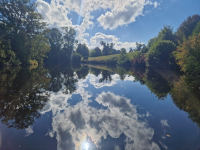
On World Wetlands Day (2 February), Cheshire West and Chester Council is celebrating one of the planets most valuable and yet most threatened ecosystems. Wetlands, including ponds, marshes, wet meadows, and wet woodland, are biodiversity hotspots, natural water filters, carbon stores and valued spaces for people to connect with nature. However, globally, wetlands are disappearing at an alarming rate, with nearly 90% lost in the last 300 years.
Types of wetlands in west Cheshire
West Cheshire is home to a rich and varied network of wetland habitats, shaped by our rivers, low‑lying landscapes and historic land use. These include:
- Ponds and small waterbodies – vital for amphibians, insects, birds and aquatic plants, and especially important in farmed and urban landscapes.
- Rivers and floodplains – including the Rivers Dee and Weaver and their tributaries, with surrounding wet grasslands, reedbeds and wet meadows.
- Marshes and wet grassland – seasonally wet areas that support wildflowers, pollinators and breeding birds such as snipe and lapwing.
- Mosslands, fens and wet woodland – permanently wet habitats that support specialist species and help store carbon.
- Ditches, scrapes and seasonal pools – often man‑made but extremely valuable for wildlife and water management.
Together, these habitats form an interconnected wetland network that is essential for nature recovery across the borough.
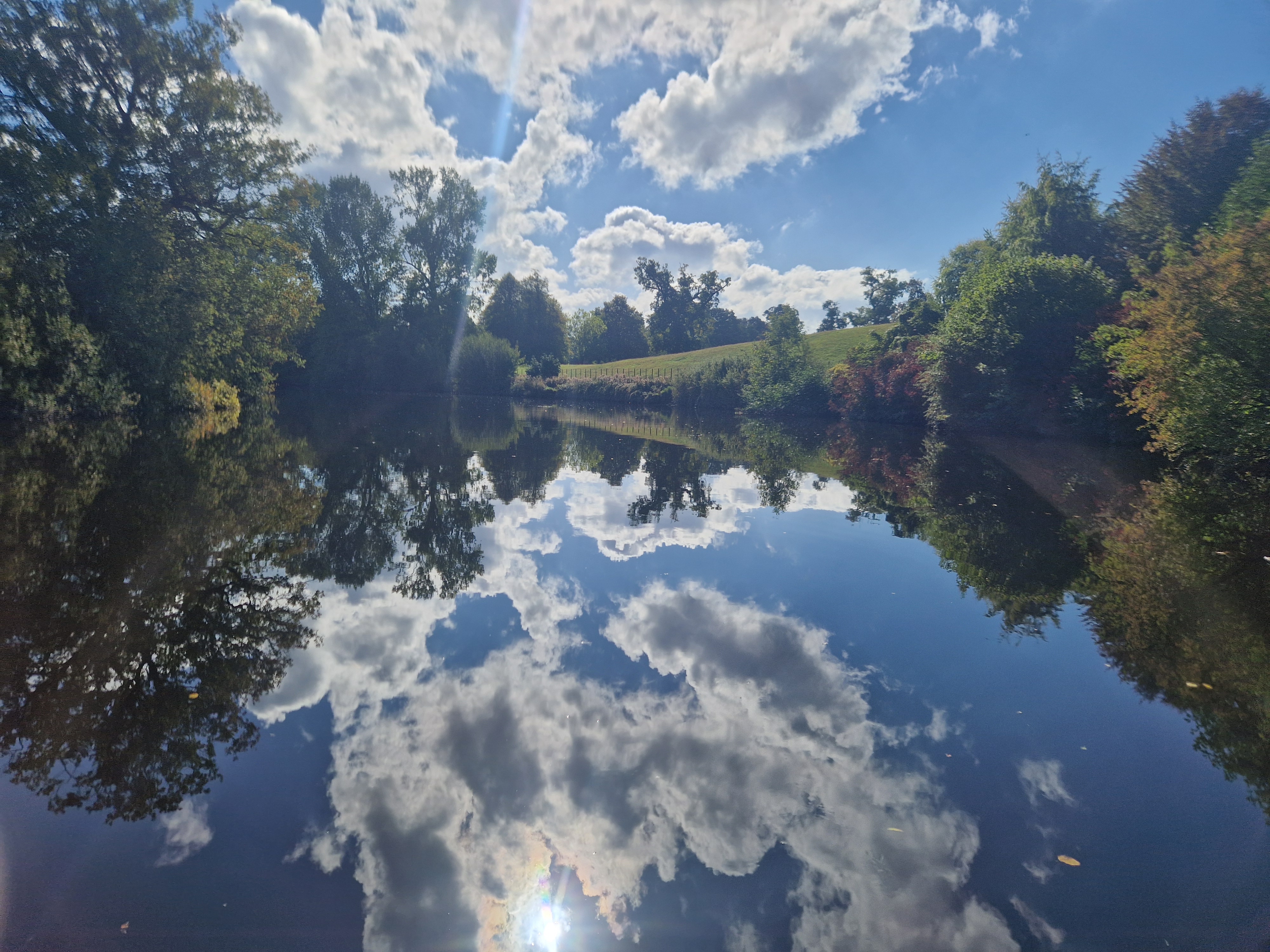 The River Dee
Work to protect local wetlands
A range of strategic, conservation‑led programmes are underway across the borough to safeguard and enhance wetlands within Cheshire West.
Local Nature Recovery Strategy
The Cheshire and Warrington Local Nature Recovery Strategy sets out the actions needed to aid nature’s recovery across the county, including restoration, creation and positive management of ponds and broader wetland networks, aiming to reverse decades of ecological decline. Ponds and wetlands are recognised as key elements in the region’s strategic nature recovery network, linking isolated habitats and supporting species movement at a landscape scale.
Ponds and wetlands are also acknowledged for their role in regulating water within the landscape, which is becoming increasingly important as weather patterns grow more extreme. During periods of heavy rainfall, wetland habitats help to reduce flooding by temporarily storing larger volumes of water and slowing the flow across the landscape. At drier times of year, their ability to retain water becomes an essential resource for wildlife, as well as livestock in agricultural areas.
Chester Wetlands
The Council is working in partnership with the Land Trust, Networks for Nature (an initiative led by Chester Zoo), and other stakeholders at the Countess of Chester Country Park to deliver a significant wetland restoration project on the outskirts of Chester. The project will involve re-aligning the existing watercourse to restore the natural meanders and flow, as well as forming scrapes; all of which will help to prevent flooding, improve water quality and create healthy habitats for wildlife and local visitors to enjoy. The wetland will also play a vital role in carbon sequestration, acting as a carbon sink to contribute to climate change mitigation efforts.
District Licensing Scheme for Great Crest Newts
Ponds play an important role in our borough providing habitat that supports amphibians, such as Great Crested Newts, birds, mammals, and invertebrates. Cheshire has one of the highest pond densities in the country and was once known as the pond capital of Europe, however, a lot of the historic ponds have now been degraded or lost.
As part of the Council’s work to address the nature crisis, the Council is acting as the habitat delivery body for Natural England's great crested newt strategic licensing scheme, known as District Level Licensing (DLL). This programme of work aims to maintain the favourable conservation status of great crested newts by creating and enhancing the ponds and surrounding terrestrial habitats that they use.
Under DLL, developers pay a conservation payment, which is then used to create or restore new ponds in strategic areas within the borough. The ponds are secured, monitored, and managed for 25 years – all funded by the developers.
Since the scheme started in 2018, the Council has created and restored over 180 ponds, including 15 in the last 12 months. The Council’s Biodiversity and Green Infrastructure Team continue to monitor these, ensuring they remain healthy and thriving habitats for local wildlife.
The Council is asking landowners and farmers in the borough to come forward if they have any ponds that are heavily scrubbed over or dry, and in need of restoration. There is also the potential to restore ‘ghost ponds’ that were historically present in the landscape. A grant is available to successful applicants to cover the full costs of each pond restoration. Applications must come from within target areas that have been mapped by Natural England, and conform to design specifications for size, depth and profile. More than one third of land in the borough falls within the target area. You can view which areas are included on Natural England's website.
A number of ponds have also been restored on Council owned sites, helping to create healthier ponds that will benefit local wildlife and communities for years to come. Below is a selection of three pictures showing how the work done can really bring ponds back to life.
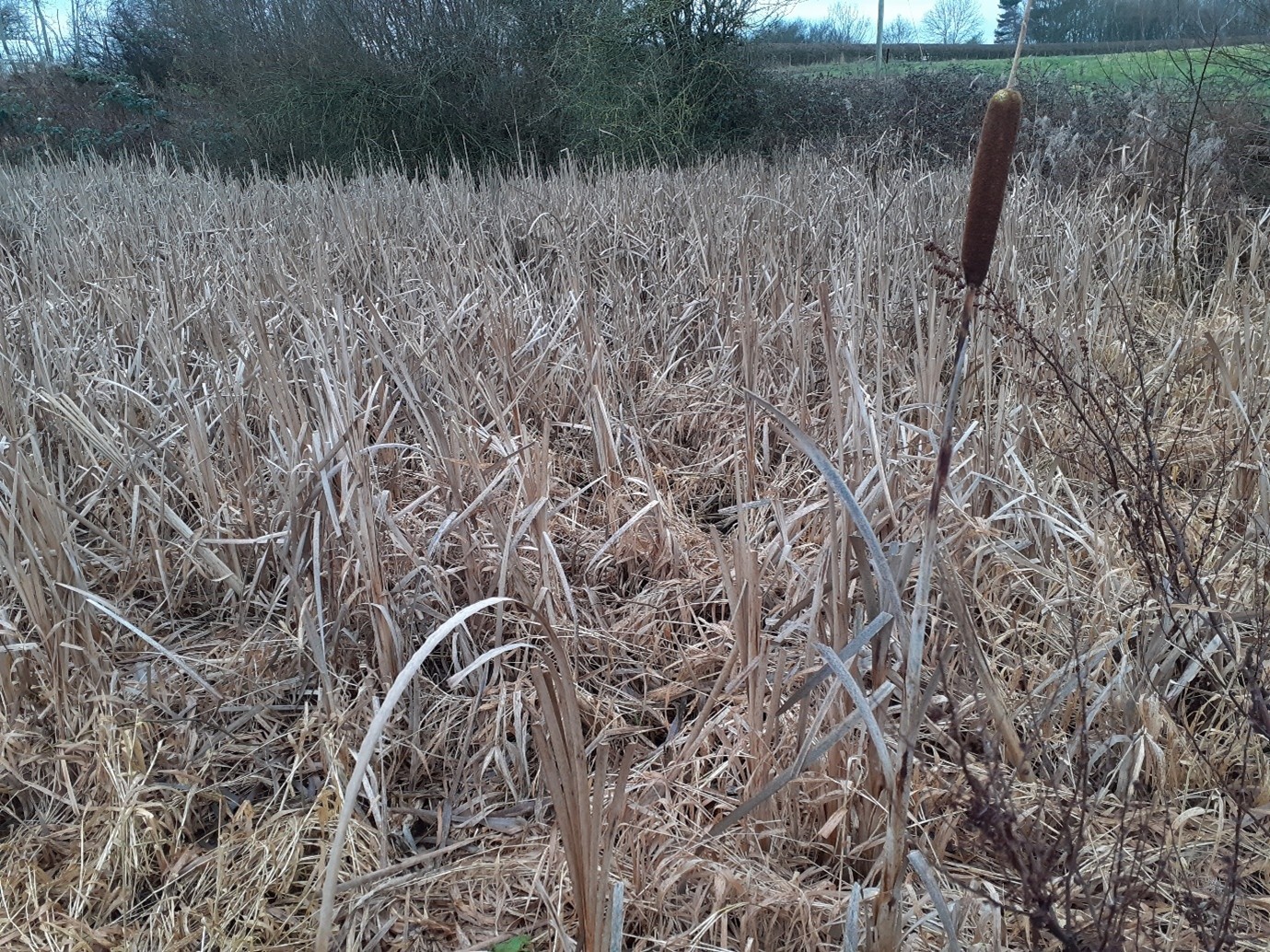 A pond on a Council site before restoration work began
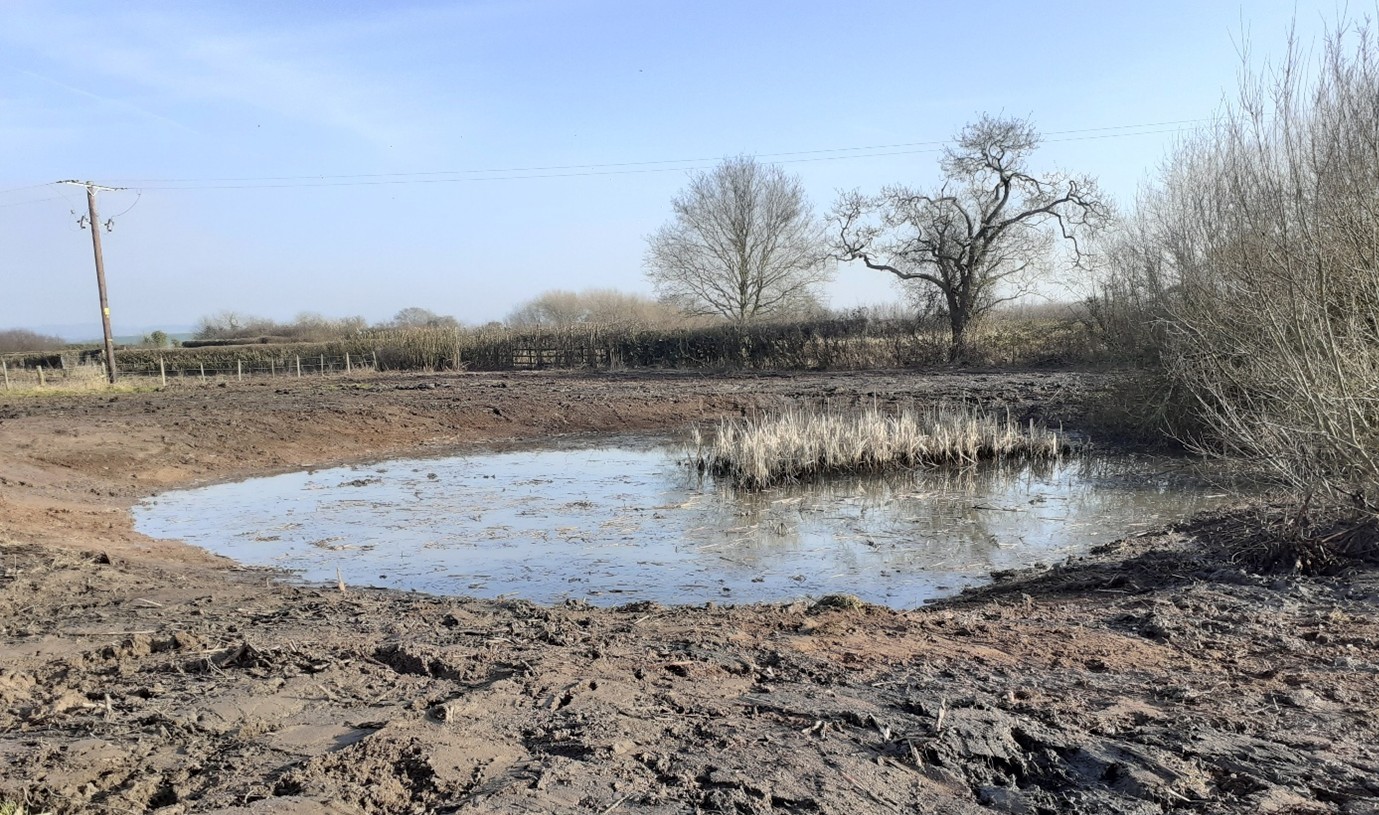 The same pond within three months of restoration works taking place
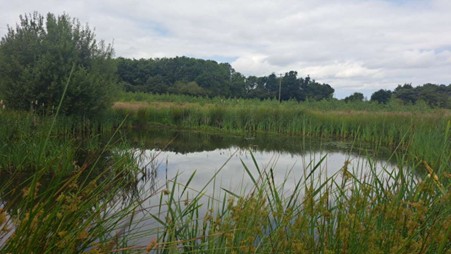 The same pond on the most recent monitoring visit
The Council’s Biodiversity and Green Infrastructure team can provide support and advice throughout the application process for the DLL scheme. To find out more about the scheme, and to see if you are eligible, please contact the biodiversity team via email: Biodiversity@cheshirewestandchester.gov.uk.
