Climate Emergency

Share Climate Emergency on Facebook Share Climate Emergency on Twitter Share Climate Emergency on Linkedin Email Climate Emergency link

The Climate Emergency facing our world is a very real issue, but there is plenty we can do to take action to help protect our planet.

Cheshire West and Chester Council declared a Climate Emergency in the borough in 2019 and put forward its Climate Emergency Response plan, which aims to help the borough become carbon neutral by 2045.

This is a space to share ideas, stories and tips about what you are doing locally to reduce your carbon emissions and impact on the environment. Now's the time to react and play your part to make our borough carbon neutral.


The Climate Emergency facing our world is a very real issue, but there is plenty we can do to take action to help protect our planet.

Cheshire West and Chester Council declared a Climate Emergency in the borough in 2019 and put forward its Climate Emergency Response plan, which aims to help the borough become carbon neutral by 2045.

This is a space to share ideas, stories and tips about what you are doing locally to reduce your carbon emissions and impact on the environment. Now's the time to react and play your part to make our borough carbon neutral.


What are you doing to tackle the Climate Emergency?

Residents, community groups, schools and businesses across the borough are busy playing their part to protect our local environment and reduce their impact on the planet by reducing their carbon emissions.

Lots of people taking action together can make a big impact and we want to hear all about the things you are doing. It could be a short tip, a blog or vlog on a certain topic, a pledge to say what you hope to achieve or about an event you’ve organised.

By sharing your story, you could inspire others across the borough to take action today and help us achieve our ambition of being a carbon neutral borough.

Please add your story here

  • You can add text, photos and videos to your story
  • Please ensure you have permission to share anything featured here
  • Please remember this is a public space, so please do not share any personal information about yourself or others in your comment.

We may occasionally contact people who have uploaded an inspiring story to ask if we could share it wider, such as on the Council's social media channels or our Climate Emergency enewsletter. We will always ask permission before we do this and we will only share stories with your approval.

Thank you for sharing your story with us. 

You need to be signed in to share your story.

All fields marked with an asterisk (*) are required.

  • Share Why Glass Still Makes Sense: Refill, Reuse, and the Power of Circularity on Facebook Share Why Glass Still Makes Sense: Refill, Reuse, and the Power of Circularity on Twitter Share Why Glass Still Makes Sense: Refill, Reuse, and the Power of Circularity on Linkedin Email Why Glass Still Makes Sense: Refill, Reuse, and the Power of Circularity link

    Why Glass Still Makes Sense: Refill, Reuse, and the Power of Circularity
    by Eco Communities, 4 months ago

    Helen Tandy, Founder Eco Communities

    Recently, a number of social media posts have claimed that glass bottles are worse for the environment than plastic because they are heavier to transport. Weight, they argue, equals higher emissions — case closed.

    But this argument only holds up if we assume a single-use, long-distance, disposable system.

    That’s not the system glass is meant for, and it’s certainly not the system we’re building through refill and reuse.

    The problem with focusing on weight alone

    Yes, glass weighs more than plastic. But sustainability can’t be measured by weight alone.

    Many liquids consumed in the... Continue reading

    Helen Tandy, Founder Eco Communities

    Recently, a number of social media posts have claimed that glass bottles are worse for the environment than plastic because they are heavier to transport. Weight, they argue, equals higher emissions — case closed.

    But this argument only holds up if we assume a single-use, long-distance, disposable system.

    That’s not the system glass is meant for, and it’s certainly not the system we’re building through refill and reuse.

    The problem with focusing on weight alone

    Yes, glass weighs more than plastic. But sustainability can’t be measured by weight alone.

    Many liquids consumed in the UK — including drinks, oils, and other food products — are transported in bulk containers (by ship or tanker) and only bottled in glass once they arrive in the UK. This significantly reduces packaging weight during long-distance transport.

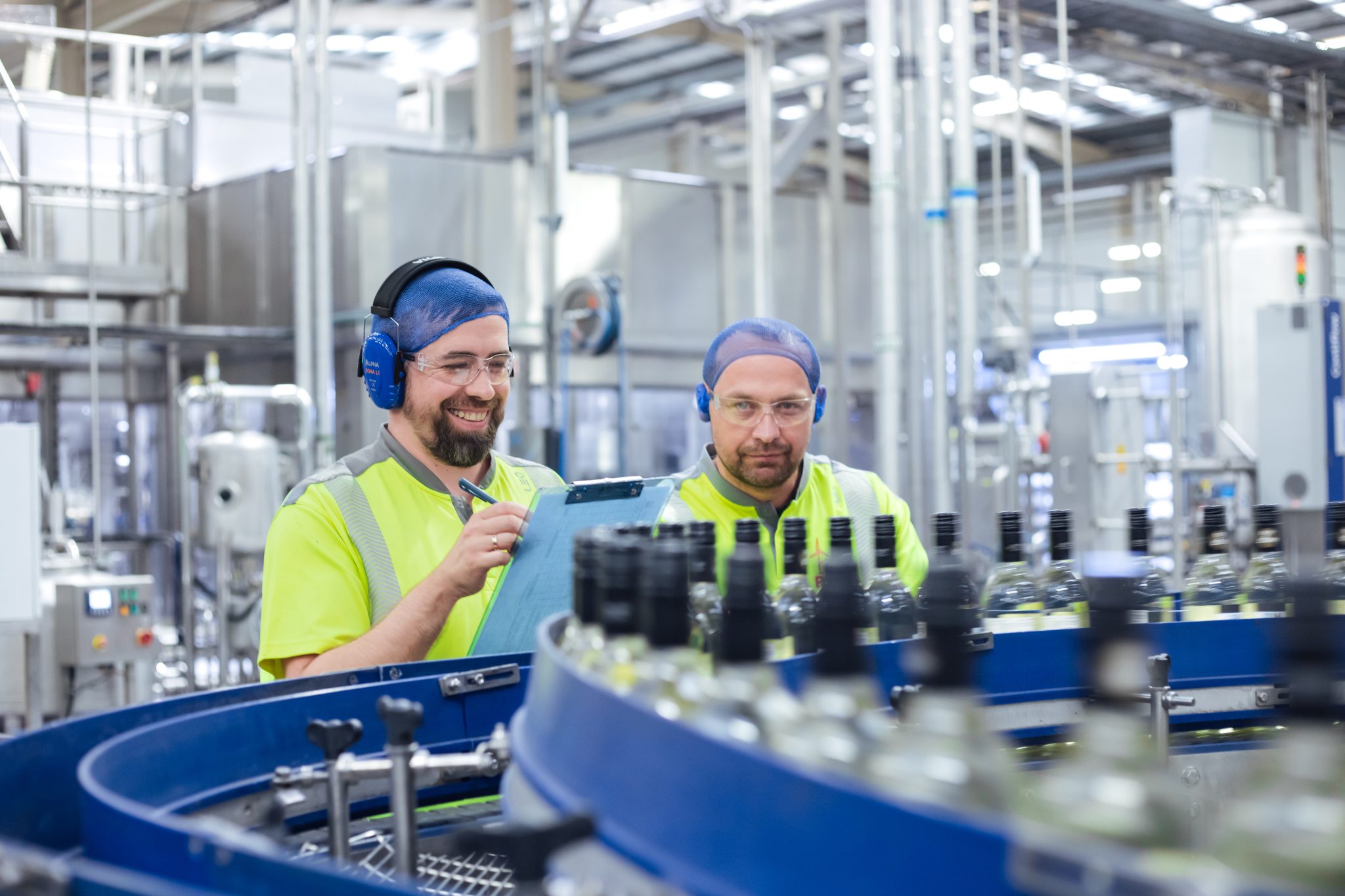
    Here in the UK, companies such as Encirc, part of the Vidrala Group, which operates a major glass manufacturing and bottling facility near Chester, are already part of this model. Glass bottles are made, filled, and circulated domestically, supporting local jobs while reducing unnecessary transport emissions. Read More in this The Drinks Business Article


    So the idea that glass bottles are always shipped long distances in their final form simply isn’t true.

    Where refill schemes change everything

    The biggest flaw in anti-glass arguments is that they ignore reuse.

    This is where refill schemes, like doorstep milk delivery in reusable glass bottles, completely change the picture.

    Through our refill scheme Full Circle Refill Scheme, the liquids are collected in bottles which can we refilled again and again. Kept in a closed-loop system within the community. Peckforton Dairy in Tarporley deliver large bottles of milk in glass to many Chester businesses. I have almost always had door step milk deliveries, whether for milk or oat milk.

    A single glass milk bottle can be reused dozens of times, replacing dozens of plastic bottles that would otherwise be used once and discarded.

    When a glass bottle eventually reaches the end of its life, it can be recycled back into new glass without loss of quality. Plastic can’t do that.

    This is what a circular economy actually looks like.

    Plastic’s advantage, and its hidden cost

    Plastic is often defended because it’s lightweight. But lightweight packaging comes with heavyweight consequences.

    Plastic bottles are usually made from fossil fuels, degrade every time they’re recycled, and frequently end up incinerated, landfilled, or leaking into the natural environment. They also shed microplastics, which are now found in water, food, and human bodies — including children’s.

    Glass doesn’t leach chemicals, doesn’t shed microplastics, and doesn’t degrade with reuse.

    When we’re talking about everyday essentials like milk — especially for families — that matters.

    Health, trust, and everyday wellbeing

    Glass is chemically inert. It doesn’t absorb flavours, colours, or bacteria, and it doesn’t release endocrine-disrupting chemicals into food and drink.

    For households using doorstep milk delivery, refillable glass bottles offer:

    • Reduced plastic exposure

    • A safer container for food

    • A visible, practical climate-positive habit

    Refill isn’t just about waste reduction — it’s about health, trust, and long-term wellbeing.

    Rethinking convenience

    Critics of glass often frame reuse as inconvenient or old-fashioned. But refill schemes work because they’re designed into daily life.

    Doorstep milk delivery removes the need for repeated purchases of disposable packaging. Bottles are delivered, collected, and reused as part of a simple, reliable system.

    This isn’t a step backwards — it’s a smarter system.

    Asking the right question

    Instead of asking:

    “Is glass heavier than plastic?”

    We should be asking:

    “Is this packaging designed to be reused locally , or thrown away after minutes of use?”

    When glass is used as intended — refilled, returned, and reused — it outperforms plastic environmentally, socially, and for health.

    The takeaway

    Glass isn’t the problem.
    Single-use systems are.

    Refill schemes like doorstep milk delivery show that we already have practical, working solutions that cut plastic waste, reduce pollution, and support healthier communities.

    If we’re serious about sustainability, the answer isn’t lighter disposables, it’s stronger local systems. And refillable glass bottles are a proven part of that future. That's why here at Eco Communities we are talking more about circular living -

    👉 Find out more about our refill scheme here: CLICK HERE


  • Share Design Awards Announced for Cheshire West on Facebook Share Design Awards Announced for Cheshire West on Twitter Share Design Awards Announced for Cheshire West on Linkedin Email Design Awards Announced for Cheshire West link

    Design Awards Announced for Cheshire West

    6 months ago
    Image of people holding their awards on the town hall stairs

    The Cheshire West Design Awards for 2025 have been announced at a ceremony in Chester Town Hall last Thursday.

    The ceremony saw many of the region’s architectural design and property professionals gather to celebrate Cheshire West’s best places and building projects completed over the last four years in 5 categories – commercial, community, public realm, residential and sustainable design and construction. Including those receiving awards, there were over 140 people at the ceremony.

    Chair of judges, Peter Hadfield said; “By rewarding the best architectural projects, this Award Scheme stimulates interest in our built environment and develops a deeper and broader... Continue reading

    The Cheshire West Design Awards for 2025 have been announced at a ceremony in Chester Town Hall last Thursday.

    The ceremony saw many of the region’s architectural design and property professionals gather to celebrate Cheshire West’s best places and building projects completed over the last four years in 5 categories – commercial, community, public realm, residential and sustainable design and construction. Including those receiving awards, there were over 140 people at the ceremony.

    Chair of judges, Peter Hadfield said; “By rewarding the best architectural projects, this Award Scheme stimulates interest in our built environment and develops a deeper and broader appreciation of both traditional craft skills and high quality contemporary construction.”

    He added; “The aim of these awards is to make Cheshire West and Chester a better place to live, work and visit by encouraging outstanding design and projects and gaining national recognition for this.”

    The Commercial category awards were presented by Legat Owen’s Director Will Sadler to The Square at Chester Zoo, The Northgate Development and for refurbishment of The Old Post Office in St John St, Chester. Commendations were given for Okells Hoole, The Station Tap in Chester and The White Horse in Churton. A highly commended went to 15-23 Frodsham Street, Chester.

    The Community Category was presented by P4 Planning’s Founder and MD, Bill Davidson. Awards were given for Community New Build and Refurbishment to Theatre Porto in Ellesmere Port and to Chester Cathedral for the West End Reordering including the new doorway. Commendations went to Hoole Tennis Club’s Club House, The Portal in Ellesmere Port and Five Villages Hall at Backford.

    Christine Russell, Chair of Chester Civic Trust presented The Award for Public Realm Regeneration to Chester Town Hall Square and for Conservation & Restoration for the work on Chester Rows. Commendations were awarded to The Narrows Community Park, the Thomas Brassey Statue outside Chester Station, the Wirral Way and Blacon’s Parade Pedestrianised Area.

    The awards for residential development were presented by Rob Charnley, CDWA Committee member & Head of Planning and Place Making at Cheshire West & Chester Council. The Award for Residential Renovation and Conservation was given to Grosvenor Hart Homes for its work on the Alms Houses in Chester, and the award for Residential New Build went to The Knoll in Mouldsworth. Commendations went to Pure Homes for Beaufort Court, Carden Homes for Old Hall Country Estate, The Boathouse in Farndon and The Flaggs and Hamilton House in Tarvin.

    Awards for Sustainability were presented by VELUX UK. Richard Williams, Senior Architect Development Manager commended Eco House at the Cheshire College South and West’s Ellesmere College campus, Chester Cathedral’s Solar Panels and the University of Chester’s School of Education conversion. The award went to Chester Zoo for their work on the Nature Recovery Corridor and Tree Planting there. The Nature Recovery Corridor covers 60 Hectares between Chester and Ellesmere Port. Native UK wildlife resources have been created, new ponds, orchards, wildflower meadows and community nature areas include interpretation signs and bespoke art together with 4 new walking routes.

    Samantha Dixon MP for Chester North and Neston said in her closing speech; “The role of skilled designers, architects, and built-environment professionals is vital. We are incredibly fortunate to have such talent here in our region, collaborating and working together. Tonight’s award winners embody the very best of this dedication. They show that design in Cheshire West and Chester can be inspiring, practical, sustainable—and rooted in the distinct character of our communities. We are all winners when great design is evident, as it is here tonight.”

    Councillor Louise Gittins, Leader of Cheshire West and Chester Council added: “Many congratulations to all of the excellent projects that have been both awarded and commended, and all of these projects have been completed within the past four years. With so many new projects underway across the borough I’m sure the judges will be spoilt for choice at the 2030 awards.”

    The next awards will be made in 2030. More details at https://cwda.uk

  • Share 'Beyond caring: how places are formed through care, and the lack of it', with Dr Julian Dobson on Facebook Share 'Beyond caring: how places are formed through care, and the lack of it', with Dr Julian Dobson on Twitter Share 'Beyond caring: how places are formed through care, and the lack of it', with Dr Julian Dobson on Linkedin Email 'Beyond caring: how places are formed through care, and the lack of it', with Dr Julian Dobson link

    'Beyond caring: how places are formed through care, and the lack of it', with Dr Julian Dobson

    by SERKEI, 6 months ago


    Dr Julian Dobson is a writer and researcher with a particular interest in place and community, developed over a career as a journalist, consultant and academic. He is based in the Centre for Regional Economic and Social Research at Sheffield Hallam University. He will be joining us to talk about 'Beyond caring: how places are formed through care, and the lack of it' on Tuesday 28th April 2026 from 6:00 PM - 7:00 PM at University of Chester, Senate House, Exton Park Campus,, CH1 4BJ

    The geographer Doreen Massey describes how places are formed by the ‘throwntogetherness’ of different communities... Continue reading


    Dr Julian Dobson is a writer and researcher with a particular interest in place and community, developed over a career as a journalist, consultant and academic. He is based in the Centre for Regional Economic and Social Research at Sheffield Hallam University. He will be joining us to talk about 'Beyond caring: how places are formed through care, and the lack of it' on Tuesday 28th April 2026 from 6:00 PM - 7:00 PM at University of Chester, Senate House, Exton Park Campus,, CH1 4BJ

    The geographer Doreen Massey describes how places are formed by the ‘throwntogetherness’ of different communities and circumstances. This talk asks how we might think of places if we consider them as sites not only of happenstance but also of care, a conscious investment of time and attention in shared wellbeing. Who is included in such care and how might it manifest itself? Drawing on recent work on the civic role of universities and on the idea of ecological citizenship, Julian Dobson considers how care and mutuality could be rebuilt in an era of fragmentation and distrust.

    Free tickets are available using the link below:-

    https://www.tickettailor.com/events/sustainabilityenvironmentrkei/1938699

  • Share 'Use of the Earth's subsurface for the safe and sustainable extraction and storage of energy', with Professor Chris Jackson on Facebook Share 'Use of the Earth's subsurface for the safe and sustainable extraction and storage of energy', with Professor Chris Jackson on Twitter Share 'Use of the Earth's subsurface for the safe and sustainable extraction and storage of energy', with Professor Chris Jackson on Linkedin Email 'Use of the Earth's subsurface for the safe and sustainable extraction and storage of energy', with Professor Chris Jackson link

    'Use of the Earth's subsurface for the safe and sustainable extraction and storage of energy', with Professor Chris Jackson

    by SERKEI, 6 months ago

    Professor Chris Jackson is Technical Director at the engineering consultancy WSP and Visiting Professor of Basin Analysis at Imperial College London. He will be joining us to talk on Tuesday 27th January 2026 at 6:00 PM - 7:00 PM at the University of Chester, Senate House, Exton Park campus, CH1 4BJ .

    Chris is interested in understanding how we can use the Earth’s subsurface to safely store hazardous waste (‘geostorage’) and to develop low-carbon energy resources (‘geoenergy’). In this public lecture, he explores the possibilities of these processes and technologies for the North-West of England. When not studying the subsurface... Continue reading

    Professor Chris Jackson is Technical Director at the engineering consultancy WSP and Visiting Professor of Basin Analysis at Imperial College London. He will be joining us to talk on Tuesday 27th January 2026 at 6:00 PM - 7:00 PM at the University of Chester, Senate House, Exton Park campus, CH1 4BJ .

    Chris is interested in understanding how we can use the Earth’s subsurface to safely store hazardous waste (‘geostorage’) and to develop low-carbon energy resources (‘geoenergy’). In this public lecture, he explores the possibilities of these processes and technologies for the North-West of England. When not studying the subsurface of the Earth, Chris gives geoscience lectures to the public and in schools, having appeared on several, Earth Science-focused, television productions and podcasts. Chris is engaged in efforts to improve equality, diversity, and inclusivity within science and engineering.

    Free tickets available using the link below:-

    https://www.tickettailor.com/events/sustainabilityenvironmentrkei/1843578


  • Share 'Envisioning a Better Ecological Future: Visions and Achievements of Female Environmentalists' with Dr Cecilia Skordilis on Facebook Share 'Envisioning a Better Ecological Future: Visions and Achievements of Female Environmentalists' with Dr Cecilia Skordilis on Twitter Share 'Envisioning a Better Ecological Future: Visions and Achievements of Female Environmentalists' with Dr Cecilia Skordilis on Linkedin Email 'Envisioning a Better Ecological Future: Visions and Achievements of Female Environmentalists' with Dr Cecilia Skordilis link

    'Envisioning a Better Ecological Future: Visions and Achievements of Female Environmentalists' with Dr Cecilia Skordilis

    by SERKEI, 6 months ago


    Dr Cecilia Skordilis is a Reader at the Department of Earth and Environmental Sciences at the University of Manchester, UK, and will be joining us on Tue 24 Feb 2026 from 6:00 PM - 7:00 PM at Senate House, University of Chester, Parkgate Road, Chester, CH1 4BJ

    Photo by Vas Soshnikov on Unsplash

    This talk will highlight the critical role of women in shaping sustainable, just futures. Drawing on insights from the Women in Environmental Sciences (WiES) network, and the role this network played in embedding environmental sustainability across a large educational institution, Dr Cecilia Skordilis will showcase how women’s... Continue reading


    Dr Cecilia Skordilis is a Reader at the Department of Earth and Environmental Sciences at the University of Manchester, UK, and will be joining us on Tue 24 Feb 2026 from 6:00 PM - 7:00 PM at Senate House, University of Chester, Parkgate Road, Chester, CH1 4BJ

    Photo by Vas Soshnikov on Unsplash

    This talk will highlight the critical role of women in shaping sustainable, just futures. Drawing on insights from the Women in Environmental Sciences (WiES) network, and the role this network played in embedding environmental sustainability across a large educational institution, Dr Cecilia Skordilis will showcase how women’s experiences, mentorship, and collaborative networks influence research, policy, and community action. By emphasising inclusive leadership, co-produced knowledge, and equitable environmental solutions, the talk will demonstrate how supporting women’s voices is essential for advancing the United Nations Sustainable Development Goals and building a thriving ecological future.

    Free tickets available using the link below:-

    https://www.tickettailor.com/events/sustainabilityenvironmentrkei/1965568

  • Share Green Volunteers at Westminster Park on Facebook Share Green Volunteers at Westminster Park on Twitter Share Green Volunteers at Westminster Park on Linkedin Email Green Volunteers at Westminster Park link

    Green Volunteers at Westminster Park

    by Shuttleworths, 6 months ago

    We are a friendly group of local residents who meet every Wednesday morning from 10-12 at the park. We look after both the formal borders, and the wilder areas of the park, with nature and biodiversity always in mind. We've recently planted more wildflower meadows next to the woods, made a dog-friendly pond to complement the protected wildlife pond, and have been hedge-laying and planting gaps to restore historic hedge lines. Come and join us for a green workout!

    See the Friends of Westminster Park website for contact details: https://www.westminsterpark.org.uk/?page_id=18


    We are a friendly group of local residents who meet every Wednesday morning from 10-12 at the park. We look after both the formal borders, and the wilder areas of the park, with nature and biodiversity always in mind. We've recently planted more wildflower meadows next to the woods, made a dog-friendly pond to complement the protected wildlife pond, and have been hedge-laying and planting gaps to restore historic hedge lines. Come and join us for a green workout!

    See the Friends of Westminster Park website for contact details: https://www.westminsterpark.org.uk/?page_id=18


  • Share Eco Communities View and Action from: - West Cheshire’s Climate and Nature Action Event at Chester Zoo on Facebook Share Eco Communities View and Action from: - West Cheshire’s Climate and Nature Action Event at Chester Zoo on Twitter Share Eco Communities View and Action from: - West Cheshire’s Climate and Nature Action Event at Chester Zoo on Linkedin Email Eco Communities View and Action from: - West Cheshire’s Climate and Nature Action Event at Chester Zoo link

    Eco Communities View and Action from: - West Cheshire’s Climate and Nature Action Event at Chester Zoo

    by Eco Communities, 7 months ago

    Helen Tandy, Founder, Eco Communities

    Today, I had the pleasure of attending the West Cheshire Action on Climate and Nature event at Chester Zoo — a fitting venue for a day focused on protecting our planet’s precious biodiversity. The event was hosted by Rose McArthur from Cheshire West and Chester Council (CWaC), with an inspiring introduction from Jamie Christon, CEO of Chester Zoo, and a heartfelt keynote from Councillor Louise Gittins, Leader of the Council.

    For Eco Communities, events like this are more than just updates — they’re a chance to connect our shared work in sustainability,... Continue reading

    Helen Tandy, Founder, Eco Communities

    Today, I had the pleasure of attending the West Cheshire Action on Climate and Nature event at Chester Zoo — a fitting venue for a day focused on protecting our planet’s precious biodiversity. The event was hosted by Rose McArthur from Cheshire West and Chester Council (CWaC), with an inspiring introduction from Jamie Christon, CEO of Chester Zoo, and a heartfelt keynote from Councillor Louise Gittins, Leader of the Council.

    For Eco Communities, events like this are more than just updates — they’re a chance to connect our shared work in sustainability, net zero, and carbon literacy with the wider movement happening across West Cheshire. It’s always motivating to see so many local partners and residents committed to the same goals: cleaner air, thriving wildlife, and resilient communities.

    🌱 Planting the Seeds of Change

    One of the headline announcements from the day was West Cheshire’s renewed commitment to carbon neutrality by 2045, with the council itself aiming for 2030. That’s a bold ambition — but one grounded in community action rather than words on a page. The plan includes planting 750,000 trees across 300 hectares, which will capture over 100,000 tonnes of CO₂ and create new habitats for wildlife. Councillor Louise Gittins emphasised that this Climate Emergency Response Plan was co-produced with communities, not imposed on them — and that everyone has a role to play.

    Through the Inspire platform, residents, schools, and local groups can share projects, ideas, and progress, building a network of action across the borough. As Louise put it, “We can’t wait for perfect technologies — we have to act now, one project, one community at a time.”

    🐝 Bringing Nature Back to Life

    It was sobering to hear that Cheshire has lost 99% of its grasslands — but also uplifting to see how many projects are already reversing that trend. The Networks for Nature initiative, led by Steve Illidge, is able to invest through funding over £4 million in habitat restoration, wildlife corridors, and community engagement. The project will train more volunteers as wildlife champions, involve schools, and connect GP practices with outdoor volunteering as part of “green prescribing” — linking nature recovery with mental wellbeing.

    Alongside this, the Local Nature Recovery Strategy, led by Roger Goulding, will restore 1,000 hectares of key habitats and reconnect 7 km of the River Gowey floodplain. It’s an inspiring example of how local councils, charities, and landowners can collaborate to rebuild nature at scale.

    🌾 Farming for the Future

    The event also tackled the important question of how farming fits into the climate and nature story. Encouragingly, the message was that food production and biodiversity don’t have to be in conflict. The Future Farming Group is exploring how sustainable land management can make farms both more productive and more nature-friendly. With the least productive 20% of UK farmland delivering only 3% of calories, restoring those areas to wetlands, meadows, or woodland can actually improve overall resilience, reducing flood risk, improving soil health, and boosting pollination.

    As one speaker noted, “The health of our land and the health of our communities are inseparable.”

    🌳 Green Spaces for Health and Happiness

    Many of us know instinctively how good it feels to spend time outdoors, and the science backs it up. People who live within 300 metres of accessible green space experience lower rates of stress and mental health issues. That’s why projects like The Mersey Forest, led by Paul Nolan, are such an asset to our region. Over the past 30 years, they’ve planted 10 million trees and 96 km of hedgerows, helping to absorb millions of tonnes of CO₂ and create welcoming spaces for people and wildlife alike. The next phase aims for another 900 hectares of woodland by 2030, as well as new “mosaic habitats” and partnerships with local universities to measure the benefits.

    💷 Investing in a Greener Tomorrow

    One clear takeaway from the event was that short-term projects aren’t enough — we need long-term investment and local leadership to keep the momentum going.

    The upcoming devolution deal and creation of a mayoral combined authority by 2027 offer a real chance to join up decisions about transport, housing, energy, and nature. As speakers noted, the region’s £200 billion infrastructure spend over the next few years could be a game-changer if sustainability and biodiversity are built in from the start.

    For groups like Eco Communities, this reinforces the importance of strong partnerships and collaboration — making sure that community voices, climate literacy, and local action sit at the heart of decision-making.

    🌍 Empowering People, Inspiring Hope

    The theme running through the day was empowerment. Whether it’s youth climate forums, eco-councils in schools, or volunteers helping restore rivers and woodlands, local people are leading the way. It was inspiring to hear from Chester Zoo’s Chief Conservation Officer, Kirsten Pullen, who reminded us that climate change and biodiversity loss are inseparable challenges — and that every community can make a difference. The zoo itself aims to empower 10 million people to live sustainably by 2030, while managing 30% of its land for UK biodiversity.

    This kind of leadership shows what’s possible when organisations combine science, education, and community spirit.

    ⚡ Building a Green Workforce for the Future

    Another strong theme from the event was the urgent need to grow the clean energy and sustainability workforce across Cheshire and the wider Northwest. With demand for green skills expected to double over the next decade, the region is investing in training and upskilling local people to make sure we can deliver on our net zero goals.

    A new £900,000 fund will support skills development until March next year — helping more than 150 workers retrain, particularly those transitioning from gas to hydrogen and clean energy roles. Local businesses, colleges, and training providers are working together to make these opportunities flexible and accessible, especially for smaller employers who often struggle to release staff for training.

    Speakers also highlighted the need to remove barriers faced by young people entering green careers. Many internships and placements remain unpaid, creating barriers for those without financial support. There was a clear call to action: to ensure paid, inclusive routes into sustainability jobs, and to recognise young people as experts and change-makers, not just volunteers. Mentorship, flexibility, and accessible opportunities were all identified as key to building a diverse and capable green workforce. The message was clear — the transition to net zero must be fair and inclusive, creating opportunities for everyone to play their part.

    At Eco Communities, this resonates deeply. Through our carbon literacy programmes and local partnerships, we see every day how equipping people with knowledge and confidence drives lasting change. The path to net zero isn’t just about technology or infrastructure — it’s about people, skills, and empowerment. This is also why we chose to be part of the Aspirations Day at Trafford Hall at part of the Green Careers Carousel recently - over 250 year 5 & 6 year olds over 2 days in October talking about green jobs.

    🌍 The Road Ahead

    The West Cheshire Action on Climate and Nature event showed just how much passion and expertise already exists across our communities. From Chester Zoo’s conservation leadership to the council’s net zero commitments, and from grassroots projects to education initiatives, there’s a strong sense that we’re moving forward — together.

    For Eco Communities, we’ll continue building on this momentum: connecting people, sharing knowledge, and supporting communities to take meaningful, practical steps towards a sustainable, low-carbon future.

    I left the day full of excitement for the various projects in the region and looking forward to supporting this via our work at Eco Communities.......

    🌱 Your Turn to Act

    At the start of the event, we were all asked to take action — to share what inspires us, connect with others, and commit to one step that will make a difference. So here’s ours: at Eco Communities, we’ll keep championing carbon literacy in the community a new project for us, continue to support communities to take local climate action. We will look to reduce the need for fossil fuels to create single use plastic by championing our existing reusable party and event ware, plus our new Refill scheme both part of our new Full Circle project.

    And we’d love to invite you to also do something, whether that’s sharing your story on the Be Inspired platform, joining us at next weeks Sustainable Cheshire Showcase (11/11/25) for tips, or simply starting a conversation in your workplace, school, or street about what net zero, climate and nature emergency means for you. Every action counts, and together we can build the fair, green future our region is aiming for.

  • Share ♻️ Full Circle: Refill, Reuse and Rethink on Facebook Share ♻️ Full Circle: Refill, Reuse and Rethink on Twitter Share ♻️ Full Circle: Refill, Reuse and Rethink on Linkedin Email ♻️ Full Circle: Refill, Reuse and Rethink link

    ♻️ Full Circle: Refill, Reuse and Rethink

    by Eco Communities, 7 months ago

    Eco Communities are launching Full Circle, a community-led, not-for-profit project helping households across Cheshire reduce single-use plastics and live more sustainably.

    🌿Full Circle – Refill

    Does your current laundry or cleaning product contain hidden chemicals? Can you refill it without adding more plastic or cardboard waste?

    A recent social media post made me look twice at some of the top “eco” brands. After a bit of research, I discovered that while my postal subscription products weren’t the worst offenders, a few ingredients — and even the dissolvable pod layer — weren’t as planet-friendly as I’d hoped. That inspired me... Continue reading

    Eco Communities are launching Full Circle, a community-led, not-for-profit project helping households across Cheshire reduce single-use plastics and live more sustainably.

    🌿Full Circle – Refill

    Does your current laundry or cleaning product contain hidden chemicals? Can you refill it without adding more plastic or cardboard waste?

    A recent social media post made me look twice at some of the top “eco” brands. After a bit of research, I discovered that while my postal subscription products weren’t the worst offenders, a few ingredients — and even the dissolvable pod layer — weren’t as planet-friendly as I’d hoped. That inspired me to return to a brand we loved during our Zero Waste Shop days — one that scores highly with Ethical Consumer Magazine: FILL REFILL CO.

    Our Full Circle Online Refill Shop now stocks eco-friendly laundry, cleaning, hair and body liquids — all refillable, plastic-free, and ethically produced.

    During the Refill trial:
    🧴 Order your refills from our online shop
    📦 Collect your order from one of our upcoming events (details below)


    🌿 Full Circle – Reusables

    Full Circle isn’t just about refills — we’re also helping the community reduce single-use waste with reusables for events.

    • Party kits for kids and adults — everything you need for a celebration, without the disposable waste.

    • Reusable cups and glasses — from coffee cups to wine glasses and ½ or pint cups, perfect for community events, parties, and festivals.

    All our reusable Party Kits and glasses are available for hire, with collection in Hoole and Winsford, making it easy to host events sustainably.

    🌿 Eco Products

    We’re starting with a couple of products the Shrinker to help you manage recycling flexible plastics and an Eco Sponge. We hope to add other sustainable items to help households go even further in reducing waste. SHOP NOW

    We will be launching local Refill Hubs and a Delivery Scheme – watch this place. Come along next Tuesday (11/11/25) for drinks and nibbles to find out more about this and lots of other projects from other organisations at the Sustainable Cheshire Showcase….


    Share This Story!


  • Share Farrall’s Group: Driving Cheshire’s Journey to Net Zero on Facebook Share Farrall’s Group: Driving Cheshire’s Journey to Net Zero on Twitter Share Farrall’s Group: Driving Cheshire’s Journey to Net Zero on Linkedin Email Farrall’s Group: Driving Cheshire’s Journey to Net Zero link

    Farrall’s Group: Driving Cheshire’s Journey to Net Zero

    by Farrall's Group, 7 months ago

    From its roots as a small family haulier to a modern logistics leader, Farrall’s Group is steering change in the fight against the climate emergency — cutting emissions, embracing clean technology, and building a greener future for Cheshire.

    “We’re not just building a business for today — we’re protecting a future for the next generation.” - Matthew Farrall, Managing Director

    For nearly 70 years, Farrall’s Group has been a trusted name on Cheshire’s roads. Founded in 1956 by Eddie Farrall, the business started with one truck and a promise to deliver with care and integrity. Today, under the leadership of... Continue reading

    From its roots as a small family haulier to a modern logistics leader, Farrall’s Group is steering change in the fight against the climate emergency — cutting emissions, embracing clean technology, and building a greener future for Cheshire.

    “We’re not just building a business for today — we’re protecting a future for the next generation.” - Matthew Farrall, Managing Director

    For nearly 70 years, Farrall’s Group has been a trusted name on Cheshire’s roads. Founded in 1956 by Eddie Farrall, the business started with one truck and a promise to deliver with care and integrity. Today, under the leadership of Managing Director Matthew Farrall and Finance Director Kat Farrall, that same spirit continues — now with a mission to protect the planet that future generations will inherit.

    Recognising the urgency of the climate emergency, Farrall’s Group has set an ambitious target to reach net-zero carbon emissions by 2040, ten years ahead of the UK’s national goal. The company’s approach combines innovation, investment, and long-term thinking — proving that sustainability and logistics can go hand in hand.

    Powering the Future with Electric Trucks

    A major milestone on Farrall’s sustainability journey has been the introduction of fully electric trucks into its fleet — a pioneering move in the regional logistics sector. These vehicles are now operating across Cheshire and North Wales, significantly reducing emissions and noise pollution on local roads.

    The company plans to expand its electric fleet further, with more electric trucks already in the pipeline, as technology and infrastructure continue to advance.

    “Electric trucks are the future of sustainable logistics,” says Kat Farrall. “We’re proud to be investing early, learning how to make this technology work efficiently, and leading the way for others in our industry.”

    Clean Energy Across Operations

    Farrall’s commitment to sustainability extends across all its operations. The company has installed solar panels at both its Chester and Deeside branches, generating renewable energy to power offices, warehouses, and on-site charging points. All company cars are now electric, supporting zero-emission travel for staff.

    Every vehicle in the fleet is also fitted with Samsara tracking systems, which monitor driving behaviour and fuel usage. This allows the team to train drivers in fuel-efficient practices, reduce unnecessary consumption, and optimise routes — turning data into actionable sustainability improvements.

    Alongside this, smart energy systems monitor and reduce consumption across sites, while a zero waste to landfill policy ensures that materials are reused or recycled wherever possible.

    “Every small decision makes a difference,” says Kat. “Whether it’s switching to electric vehicles, tracking fuel efficiency, or cutting waste, sustainability is now built into everything we do.”

    Local Leadership for a Global Challenge

    By taking bold, practical action, Farrall’s Group is showing how local businesses can support Cheshire West & Chester Council’s Climate Emergency Response Plan. From clean energy to electric transport, the company is proving that change starts at home — and that leadership on the road to net zero begins with local commitment.

    As Matthew reflects, “My grandad always said, ‘Look after your trucks and they’ll look after you.’ Today, we’ve taken that a step further — if we look after our planet, it’ll look after all of us.”

    Through its actions, Farrall’s Group is driving not just goods, but progress — helping lead Cheshire’s journey toward a cleaner, more sustainable future

  • Share Regenerative agriculture and circular farming at Grosvenor Farms on Facebook Share Regenerative agriculture and circular farming at Grosvenor Farms on Twitter Share Regenerative agriculture and circular farming at Grosvenor Farms on Linkedin Email Regenerative agriculture and circular farming at Grosvenor Farms link

    Regenerative agriculture and circular farming at Grosvenor Farms

    8 months ago
    Cows feeding in a line

    Grosvenor Farms is one of the UK’s leading dairy and arable farms, working by the principles of regenerative agriculture and circular farming, to produce high-quality foods in a commercially and environmentally sustainable way.

    Located on Grosvenor’s Eaton Estate, Cheshire, we produce over 34 million litres of fresh milk a year – enough for 465,000 people every day – and are long-term suppliers to both Tesco and Muller. We also grow around 45,000 tonnes of forage for animal feed and 4,500 tonnes of grains.

    High quality farming and food production are integral to assuring the UK’s food security and to improving... Continue reading

    Grosvenor Farms is one of the UK’s leading dairy and arable farms, working by the principles of regenerative agriculture and circular farming, to produce high-quality foods in a commercially and environmentally sustainable way.

    Located on Grosvenor’s Eaton Estate, Cheshire, we produce over 34 million litres of fresh milk a year – enough for 465,000 people every day – and are long-term suppliers to both Tesco and Muller. We also grow around 45,000 tonnes of forage for animal feed and 4,500 tonnes of grains.

    High quality farming and food production are integral to assuring the UK’s food security and to improving its self-sufficiency. We believe this must be done in an environmentally sustainable way - improving soils, eliminating pollution, enhancing biodiversity, conserving water, and recycling waste. We see it as the right thing to do to respond to the climate and nature emergencies, and as a way to improve the efficiency of farming and, ultimately, its economic sustainability.

    Our ambition is to be carbon net zero by 2030, contributing to Grosvenor’s global commitment to reduce emissions in line with limiting global warming to 1.5°C.

    We already have the lowest carbon footprint for milk production of the farms profiled using Agrecalc - an independent carbon reporting calculator - that tracks the greenhouse gas emissions produced from farming activities.

    We are building on a strong track record, having achieved significant carbon reductions in our dairy activities since the upgrade of our farm in 2014 through the introduction of renewable energy from solar panels on our sheds, the recycling of sand for bedding, and the use of manures as organic fertilisers for growing our own forage.

    We are investing in innovative technologies like anaerobic digestion and a biogas upgrading facility to recycle cow manure, removing 7,000 tonnes of biogenic carbon dioxide from the atmosphere annually to reduce carbon emissions on the farm by approximately 2,500 tonnes CO2 equivalent per year and generating enough renewable energy to heat over 5,000 homes a year.

    We use conservation tillage – cultivating our soils as little as practically possible – to retain carbon, reduce erosion and runoff, and recover nitrogen, an essential nutrient for plant growth. The manure from our cows is recycled into organic fertilisers to replenish our soils. This means that more than 80% of our animal feed is grown without artificial fertilisers.

    These initiatives have resulted in an increase of soil carbon – an indicator of its health and quality – averaging 3% – more than 50% better than the UK average for cultivated soils.

    We only grow food on land where it’s sustainable to do so and work to enhance the environment where it’s not. We choose to manage approximately 12% of our land to support greater biodiversity, restore natural habitats, while also improving the quality and quantity of water on the farm, reducing the risk of pollution downstream.


    In striving to be a leading example of sustainability within the rural economy, we believe in the importance of delivering lasting benefit, beyond the farm gates, to the communities of which we are part.

    We are a significant employer in rural Cheshire and ultimately a contributor to the local economy through the employment of more than 70 people across a wide variety of roles.

    Each year, we welcome more than 500 visitors to Grosvenor Farms. They include members of our local communities, the agricultural media, farming groups, universities, agricultural colleges, policy makers and school children.

    We passionately believe in the importance for all people, but especially children and those from urban areas, to have a connection with the countryside, the environment, and where our food comes from.

    We have a longstanding relationship with national education charity the Country Trust, whose president is the Duke of Westminster, and have been welcoming children on visits to the Eaton Estate and Grosvenor Farms for more than 25 years.

    Find out more about Grosvenor Farms.